8 Row house, Royal Palms Estate, Aarey Colony,Goregaon
east, Mumbai, Maharashtra



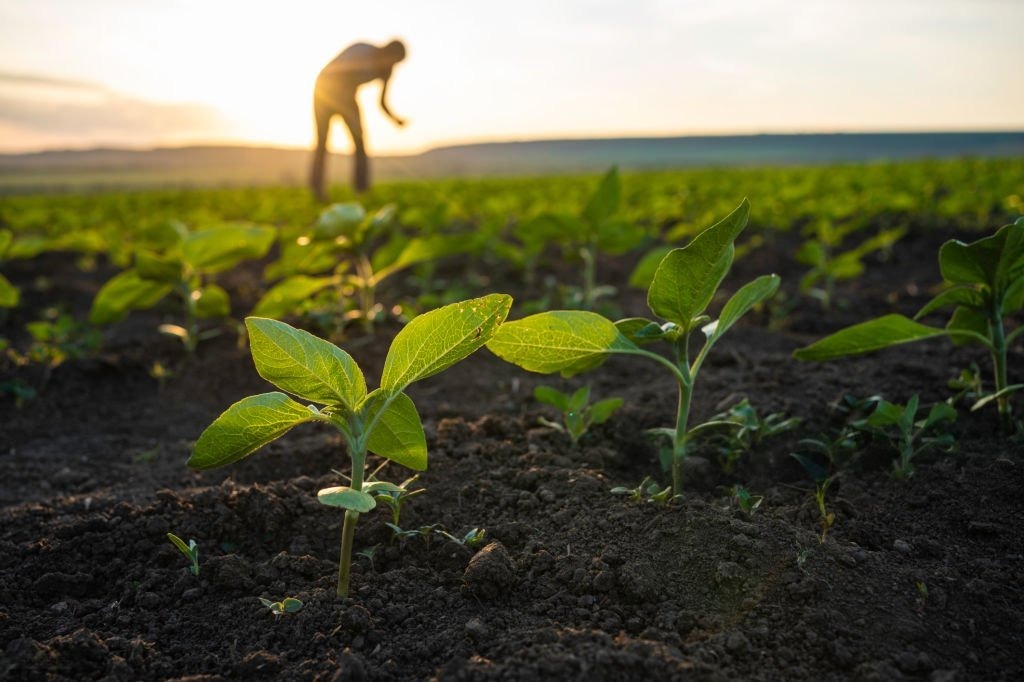
Urban Farming and Resource Planning
D-ERT helps clients develop productive growing spaces such as vegetable patches, micro-greens setups, pollinator zones, and site-based food-growing initiatives that suit urban conditions.
We combine soil preparation, planting guidance, layout planning, and practical on-ground expertise so your farming space is not only attractive, but genuinely usable and sustainable.
Designed for terraces, campuses, societies, and compact urban areas.
We align crops, layout, and maintenance with your resources and goals.
Create spaces that are productive, educational, and easier to maintain.
Urban farming works best when design, soil, access to sunlight, and maintenance routines are considered together from the beginning.
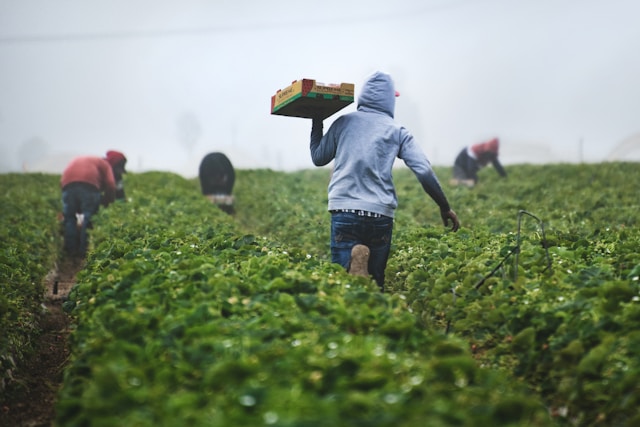
We help shape spaces for vegetables, herbs, micro-greens, and pollinator-friendly planting based on practical site conditions.
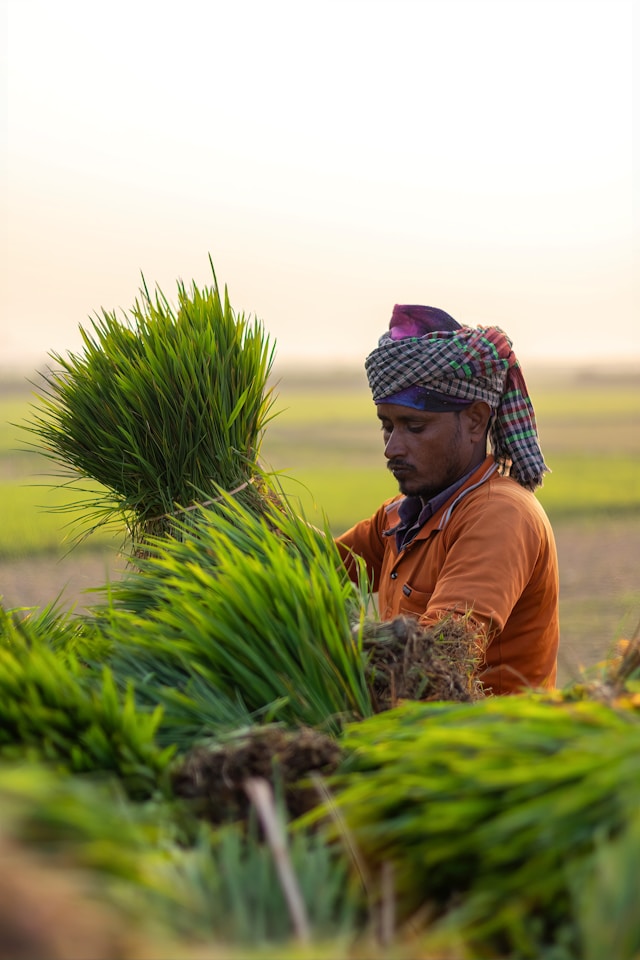
The setup is matched to available water, manpower, compost access, and the level of involvement expected from the site team.
The goal is to create a farming system that fits the site, the people, and the level of upkeep realistically available.
We assess the available area, light, access, water, and the kind of growing environment that can be supported.
Beds, containers, crop categories, and support materials are suggested according to the site and the intended use.
Soil, layout preparation, and starter planting are carried out with a focus on practical long-term use.
With the right routines, the area can evolve into a manageable and meaningful urban farming system.
Common questions before beginning a farming or resource-planning project.
No. Many productive setups can be created in modest areas when the layout and crop plan are designed carefully.
Yes. In many projects, site-generated compost becomes a valuable part of soil enrichment and bed preparation.
Not at all. The plan can include edible plants, pollinator-friendly planting, micro-greens, and mixed-use growing spaces.