8 Row house, Royal Palms Estate, Aarey Colony,Goregaon
east, Mumbai, Maharashtra



Scientific Tree and Landscape Care
Trees, hedges, and creepers need regular and informed care to remain safe, healthy, and well-shaped within active residential and institutional environments.
D-ERT handles pruning work with an ecological and site-sensitive approach, helping clients manage overgrowth, deadwood, and landscape safety while protecting the long-term health of the plant material.
Pruning is carried out to improve structure, vigor, and safe growth rather than aggressive cutting.
Reduce risk from damaged branches, overcrowding, and unmanaged growth near active spaces.
Pruned material can often be shredded into mulch for productive reuse on site.
Tree care is not just about appearance. Good pruning improves safety, airflow, light access, and the long-term behavior of the plant in the landscape.
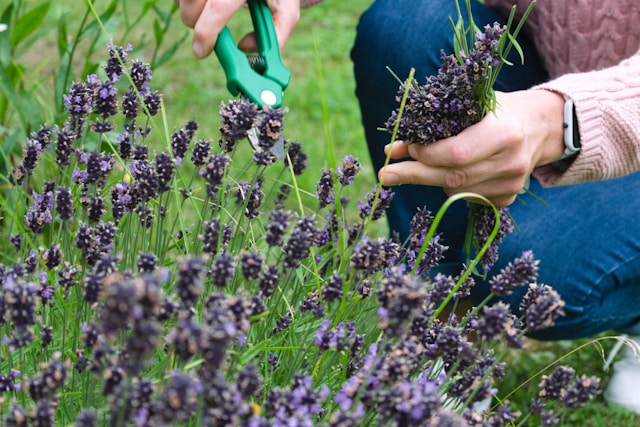
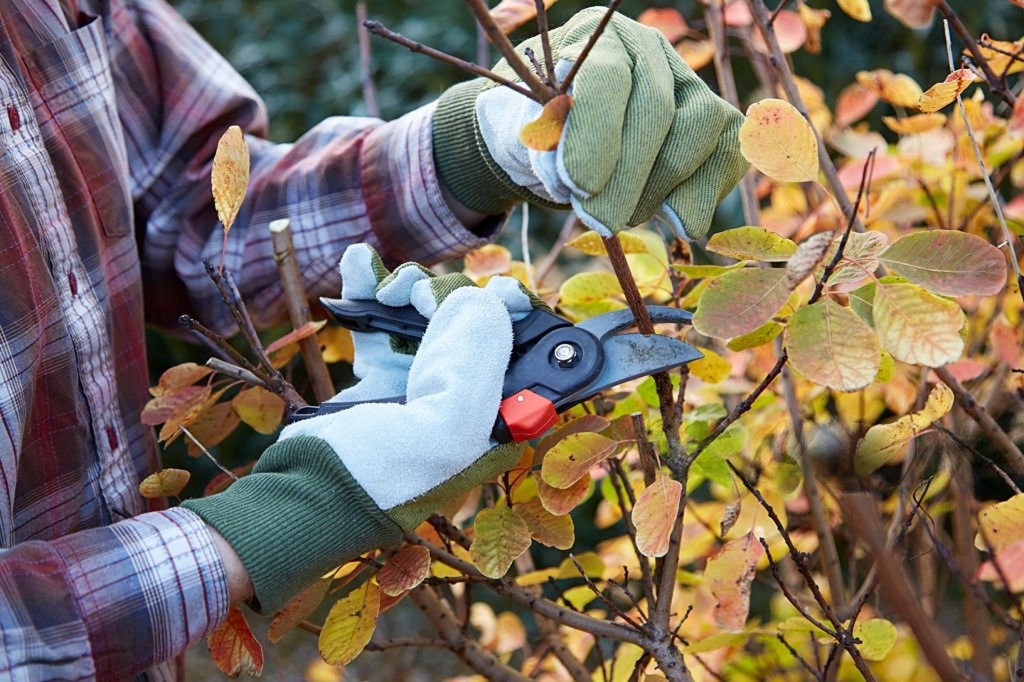
Targeted pruning helps remove weak or problematic growth and supports a more stable tree structure over time.
Managed trees and creepers make shared outdoor areas feel safer, brighter, and better maintained across the site.
We approach pruning with a balance of practical site management and respect for the biology of the tree or planted system.
We assess plant type, canopy condition, access, immediate risks, and the reason pruning is needed.
Work is defined according to health, structure, visibility, clearance, and site usage rather than arbitrary cutting.
The team executes the work with attention to safety, balance, and the long-term condition of the landscape.
Where suitable, the cut material can be redirected into shredding and mulch use instead of being treated as waste alone.
Questions clients often ask before planning tree-pruning work.
Not at the same frequency. The need depends on species, age, site conditions, and whether there are safety or growth concerns.
Yes. In many cases the biomass can be shredded and reused as mulch around the landscape.
No. Hedges, creepers, and smaller structured plantings also benefit from informed maintenance and shaping.