8 Row house, Royal Palms Estate, Aarey Colony,Goregaon
east, Mumbai, Maharashtra



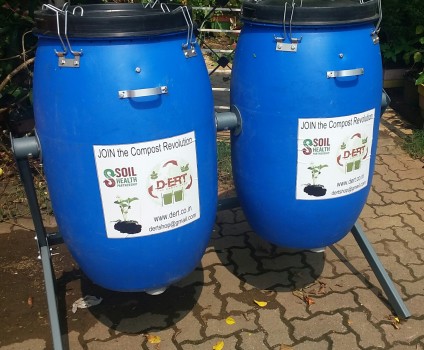
Housing societies generate a steady stream of kitchen scraps, garden waste, and dry leaves every day. Once that waste is segregated and handled properly, much of it can be turned into a useful on-site resource instead of becoming a daily disposal problem.
The most important first step is making sure wet waste, dry waste, and sanitary or reject waste are separated where they are generated. Composting works best when the organic stream stays clean from the start. If residents and housekeeping teams mix materials together, the composting system becomes harder to manage, more likely to smell, and less efficient over time.
There is no single composting setup that fits every society. The right solution depends on daily waste volume, available space, operating capacity, and whether the site also has garden waste to process. A practical system is easier for residents and staff to maintain consistently, which matters more than simply installing equipment.
Good composting is not only about reducing waste collection. It also creates a valuable soil input that can be reused in landscaped areas, tree beds, and gardens within the property. When societies connect composting with gardening, mulching, and green-space care, the entire site becomes easier to manage in a more circular way.
A simple composting routine with good segregation, regular monitoring, and clear staff responsibilities usually performs better than a complicated setup that no one can manage confidently.