8 Row house, Royal Palms Estate, Aarey Colony,Goregaon
east, Mumbai, Maharashtra



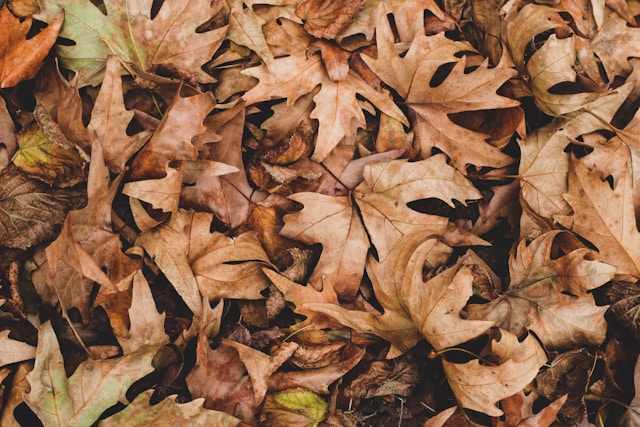
Dry leaves are often treated as bulky waste, but once shredded they become much easier to handle and much more useful. Shredding reduces volume, improves breakdown speed, and helps turn seasonal waste into a productive site resource.
Whole leaves and larger pieces of garden waste take longer to decompose because there is less surface area exposed to air, moisture, and microbial action. Once the material is shredded, it becomes easier for composting systems to process evenly and more quickly.
Loose leaf litter can quickly build up in corners, collection points, and storage areas. Shredding reduces its volume dramatically, which makes it easier to move, store, and reuse within the site. That matters especially for campuses, housing societies, churches, and properties with mature trees that produce regular seasonal biomass.
When shredded leaves are spread around trees, beds, and landscaped areas, they help retain moisture, suppress weed growth, and gradually improve soil condition.
This turns what looked like a disposal burden into a useful landscape input that supports healthier green spaces.
Leaf shredding is most valuable when the output has a clear use, such as compost feedstock, mulch for planted areas, or support for wider site landscape maintenance.